

Last Updated: October 29, 2026
Quick Summary
Comparing hub compatibility for gravel wheelsets comes down to four measurements: axle spacing, axle diameter, freehub body standard, and rotor mount. The dominant gravel standard is 12mm thru-axle at 100mm front and 142mm rear, while quick-release frames use 100mm front and 135mm rear. Get any one spec wrong and the wheel will not fit, or will fit badly.
- Measure dropout width with calipers before assuming your frame's axle spacing.
- Buy the freehub that matches your groupset: Shimano HG, SRAM XDR, or Campagnolo N3W.
- Centre-Lock uses a splined lockring; six-bolt uses six T25 bolts and is more universal.
- A freehub swap changes end caps and freehub body, not the hub shell or rim.
- Write down front spacing, rear spacing, axle diameter, and freehub standard before ordering.
Table of Contents
- Gravel Wheelset Hub Compatibility: The Four Specs That Decide Fit
- Gravel Wheel Axle Spacing: Match the Frame and Fork Before Anything Else
- Gravel Wheel Freehub Compatibility: HG, XDR and N3W Explained
- Centre-Lock vs Six-Bolt Rotor: Mounting Standards Compared
- Gravel Wheel Hub Conversion: What Changes and What Does Not
- Hub Compatibility Comparison: Berd Asymmetric 46 vs Core Gravel 35
- Confirm Your Hub Specs Before Ordering a Hand-Built Gravel Wheelset
- Frequently Asked Questions
Gravel Wheelset Hub Compatibility: The Four Specs That Decide Fit
Comparing hub compatibility for gravel wheelsets comes down to four measurements: axle spacing, axle diameter, freehub body standard, and rotor mount. Get any one wrong and the wheel will not fit, or will fit badly. STOXbyHand has over 12 years of experience building hand-built carbon wheels, and fitment questions often come back to one of these four numbers.
Here is the uncomfortable truth most buyers learn after ordering: a wheelset can be light, stiff and beautifully finished and still be useless to you because the freehub is XDR and your cassette is HG. The spec sheet is not the boring part. It is the whole decision.
Below, we break down each spec, explain what changes and what does not when you convert a hub, and compare our two gravel builds against the standards you will actually encounter.
Gravel Wheel Axle Spacing: Match the Frame and Fork Before Anything Else
Gravel wheel axle spacing is the distance between your frame and fork dropouts, and it must match the hub end caps exactly. The dominant gravel standard is 12mm thru-axle front and rear, at 100mm front and 142mm rear. Quick-release frames use 100mm front and 135mm rear, and these are not interchangeable without the correct end caps.
Measure before you assume. Flip the bike, pull the wheels, and check the dropout width with calipers rather than a tape measure. A 142mm thru-axle hub will not squeeze into a 135mm quick-release frame, and forcing it damages the frame and the hub.
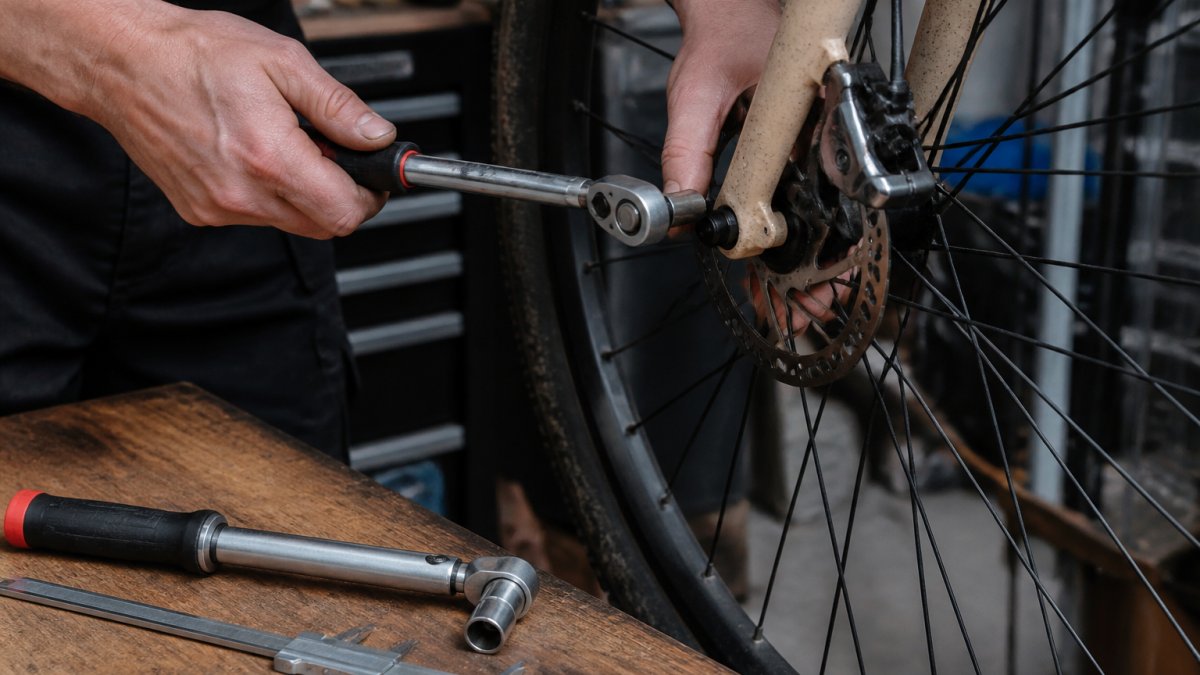
Axle diameter matters too. The Core Gravel 35 wheelsets use Core straight-pull hubs, so check the axle diameter against your frame before ordering. Check that the axle diameter matches your frame as well as the spacing.
Gravel Wheel Freehub Compatibility: HG, XDR and N3W Explained
Gravel wheel freehub compatibility depends on which cassette you plan to run: Shimano HG, SRAM XDR, or Campagnolo N3W. The freehub body is the splined carrier the cassette slides onto, and each standard has a different spline pattern and width. Buy the freehub that matches your groupset, not the other way around.
- Shimano HG: the most common gravel standard, used across Shimano GRX and wide-range 11-speed setups.
- SRAM XDR: required for SRAM XG cassettes with a 10-tooth smallest cog.
- Campagnolo N3W: Campagnolo's gravel and road standard, with its own spline profile.
The Core Gravel 35 is offered in Shimano, Campagnolo N3W and SRAM XDR builds, so choose the version that matches your drivetrain.
Centre-Lock vs Six-Bolt Rotor: Mounting Standards Compared
Centre-Lock and six-bolt are the two rotor mounting standards, and neither is better in absolute terms. Centre-Lock uses a splined interface with a lockring, which speeds up rotor changes and tends to keep alignment consistent. Six-bolt uses six T25 bolts and is the older, more universal standard.
| Rotor Standard | Fixing Method | Swap Speed | Best For |
|---|---|---|---|
| Centre-Lock | Splined lockring | Fast, tool-light | Riders swapping rotors often |
| Six-Bolt | Six T25 bolts | Slower, needs torque care | Mixed parts bins, older hubs |
The practical point: your rotors must match your hubs, or you buy adapters. Adapters work, but they add a component and a torque check to every service. Decide which standard your existing rotors use before you commit to a hub, because switching means new rotors as well as new wheels.
Gravel Wheel Hub Conversion: What Changes and What Does Not
Gravel wheel hub conversion changes the end caps and the freehub body, not the hub shell, rim, or spoke count. Most quality hubs are designed so the same shell accepts different axle caps and freehub standards. That flexibility is why a single wheelset can serve several bikes.
Berd Spoked Asymmetric 46 Gravel Wheelset 1260g →
What does not change: the hub flange geometry, the rim drilling, and the spoke lengths. If you are weighing a hub swap alongside a rebuild, our guide to choosing spokes for gravel riding covers how spoke choice interacts with hub geometry.
What does change, and what catches people out, is the dish and bearing preload after a freehub swap. A hub converted from HG to XDR sits the cassette slightly differently, and the wheel may need re-dishing. Watch out: riders who swap freehubs at home and skip the re-dish often end up with a wheel that sits off-centre in the frame.
Hub Compatibility Comparison: Berd Asymmetric 46 vs Core Gravel 35
Our two gravel wheelsets differ in spokes, weight, and price.
| Spec | Berd Asymmetric 46 | Core Gravel 35 |
|---|---|---|
| Weight | 1290g (+/- 5%) | 1440g (+/- 30g) |
| Spokes | Berd polymer | Pillar PSR TB 2018 |
| Rim depth | 46mm | 35mm |
| Internal width | 30mm | 24mm |
| Max system weight | 110kg | 120kg |
| Price | $2,950.00 | $1,740.00 |
The Berd Spoked Asymmetric 46 Gravel Wheelset is the lighter, faster build. Its Berd polymer spokes contribute to its low weight, and the 30mm internal width is designed for wider tyres. It has a 110kg maximum system weight and a higher price.

The Core Gravel 35 Wheelset is the value pick. It uses round spokes and Core straight-pull hubs, and carries a 120kg rider limit. Best for: riders who want durability and a higher weight ceiling. Skip if: you are chasing the lowest possible rotating mass.
Confirm Your Hub Specs Before Ordering a Hand-Built Gravel Wheelset
Before you order, write down four numbers: front spacing, rear spacing, axle diameter, and freehub standard. Add your rotor mount for good measure. Send those to your builder, and the fitment question disappears.
This is the step buyers skip, and it is the one that matters most.
STOXbyHand offers Berd and TiFi polymer spoke options alongside carbon fibre. Get started with STOXbyHand and ride a wheelset built for your frame, not a compromise.
Frequently Asked Questions
How do I check whether a gravel wheelset hub is compatible with my bike?
Start with the frame and fork spec sheets or the current wheel's hub markings. You need four numbers: front and rear axle spacing (common gravel sizes are 12x100 mm front and 12x142 mm rear), axle type (thru-axle or quick-release), freehub body type, and rotor mount. If any one does not match, the wheel will not fit or the drivetrain will not index. Measuring the dropout width with calipers takes a minute and prevents a return.
What gravel wheel axle spacing should I compare first?
Check front and rear separately, because many gravel frames mix standards. A 12x100 mm front thru-axle with a 12x142 mm rear thru-axle is the most common pairing, but some frames run quick-release rear ends or boost spacing. Axle diameter matters too: a 15 mm front hub will not fit a fork designed for 12 mm. Write both numbers down before you compare any gravel wheelsets.
Which freehub body is compatible with my gravel cassette?
Match the freehub to the cassette brand and series. Shimano and SRAM mountain cassettes with a 10-tooth smallest cog need Micro Spline or XD respectively, while SRAM XDR takes road and gravel cassettes down to 10 teeth. Shimano HG fits most 11-speed gravel cassettes. Campagnolo Ekar uses N3W. The freehub is the least forgiving spec to change later, so confirm it at the point of order.
Can I convert a gravel hub to a different freehub standard?
Sometimes, but only if the hub maker sells the swap kit for that exact hub model. Many hubs accept HG, XDR or N3W bodies as separate parts, and end caps can change axle spacing within limits. What you cannot do is change the hub shell's axle diameter or rotor mount. Ask before buying: a hub with no conversion kit locks you into one drivetrain for the life of the wheel.
Are centre-lock and six-bolt rotors interchangeable?
The rotors are not interchangeable, but adapters exist in both directions. A six-bolt hub can take a centre-lock rotor with an adapter, and a centre-lock hub can take a six-bolt rotor with one too. Adapters add a small weight penalty and another interface to torque correctly. If you already own a set of rotors, buy the hub mount that matches them rather than adding an adapter.
